The State Department for Special Programmes is grappling with critical operational challenges even as it manages a massive Sh12.9 billion emergency response to drought, floods, and other disasters across the country.
Lack of office space, limited staffing, and the absence of a legal framework are straining the department’s capacity to respond effectively, Principal Secretary Ismail Maalim Madey told Parliament on Wednesday.
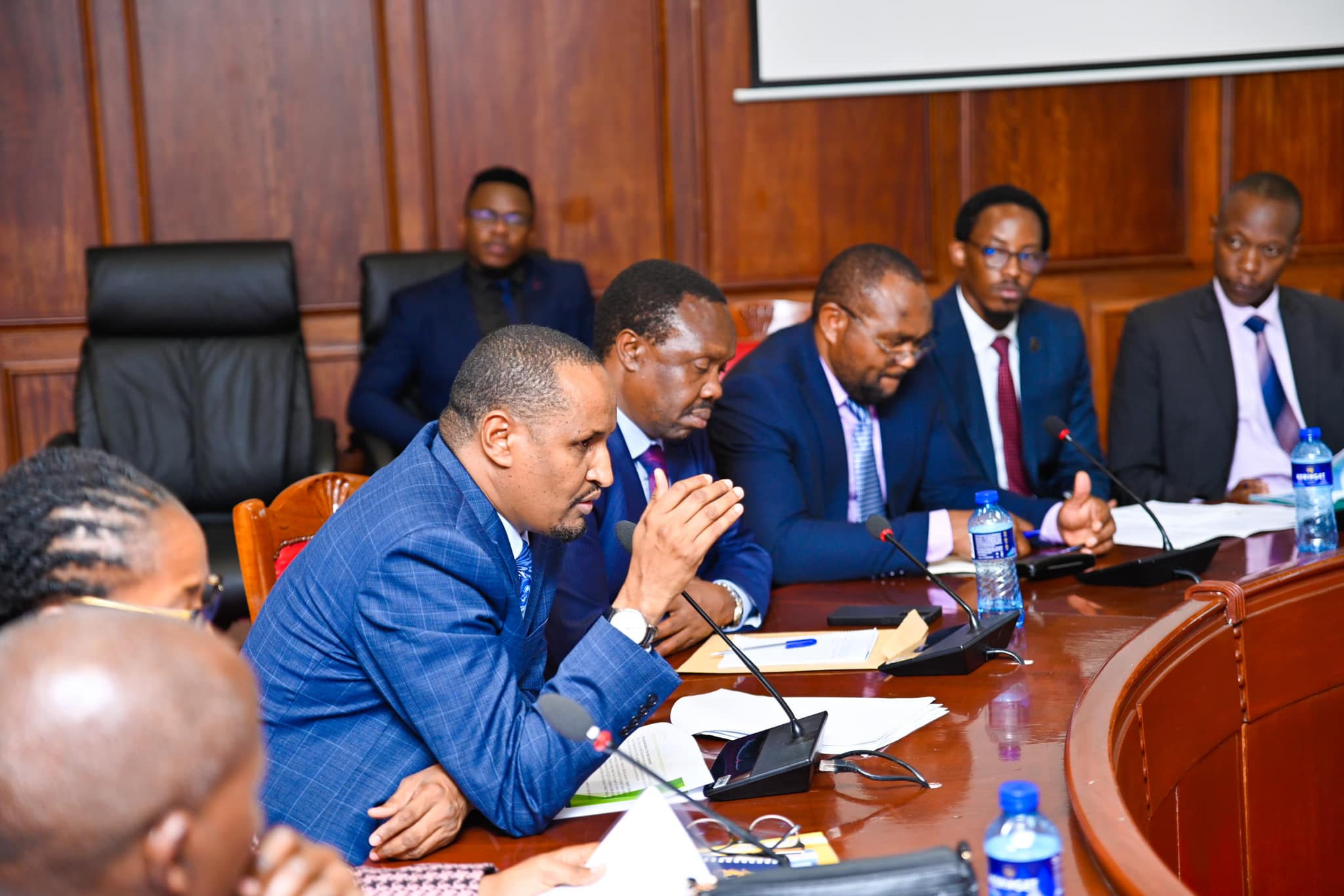
Appearing before the National Assembly Departmental Committee on Regional Development, Madey outlined a department stretched to its limits, trying to serve millions of Kenyans facing crises with minimal resources.
“We are currently located in a single wing on the 12th floor of Hazina Trade Centre, courtesy of the State Department for ASALs and Regional Development,” he said, stressing the urgent need for Sh317 million to secure proper office space and essential tools.
Madey noted that the department’s budget has jumped from Sh654 million to Sh13.5 billion after Sh12.7 billion was approved under Article 223 of the Constitution to tackle drought and other emergencies.
However, he warned that relying heavily on emergency allocations undermines long-term planning and timely interventions.
The PS told lawmakers that the failed short rains between October and December 2025 have pushed 3.3 million Kenyans into acute food insecurity, up from an earlier projection of 2.1 million. So far, 2.1 million people have received food relief, while 419,000 have benefited from non-food assistance.
In addition, pastoralists in arid counties such as Mandera, Wajir, Garissa, Turkana, and Kajiado have been supported with livestock feed.
Floods triggered by ongoing long rains have also affected counties including Nairobi, Tana River, Migori, Homa Bay, and Kisumu, compounding the humanitarian challenges.
The department has simultaneously responded to multiple emergencies, including landslides in Elgeyo Marakwet, a building collapse in South C, Nairobi, fires, and an aircraft crash in Mwihoko, Kasarani.
Madey highlighted the absence of a principal law to guide disaster management, urging Parliament to expedite the National Disaster Risk Management Bill.
Staffing gaps remain a major hurdle, with 62 approved positions still vacant due to delays at the National Treasury.
Describing the pressure of managing emergencies with scarce resources, Madey said, “Everyone was calling for help. I did not sleep that night. We had no equipment or resources, yet Kenyans expected us to respond.”
He added, “In other countries, such a department is well-equipped with modern machinery. Ours relies on a handful of staff and a few computers.”
The PS appealed for additional funding, warning that without sufficient resources for transport and relief supplies, the department’s ability to respond to disasters could be severely compromised.